Whenever a game or software application receives an update, users usually encounter two kinds of explanations: official developer patch notes and summaries written by players, reviewers, wiki editors, or other community members.
Official notes provide information directly from the team responsible for the product. Community summaries reorganize that information and often add testing results, examples, opinions, or practical advice. Neither source is automatically complete in every situation. Official notes may be corrected after publication or leave out implementation details, while community posts can misread a change, rely on limited testing, or become outdated after a hotfix.
The most reliable approach is to use each source for what it does best. Read the official record for confirmed changes, then use reputable community analysis to see how those changes affect normal use, competitive play, performance, or existing strategies.
Core Differences Between Developer Patch Notes and Community Summaries
Although both documents may discuss the same release, they are created for different purposes.
Level of Authority: Developer patch notes are primary-source documents because they come from the company or development team responsible for the update. They are the strongest source for version numbers, announced features, intended balance changes, fixed defects, compatibility changes, and developer explanations.
That authority does not make every sentence infallible. A value can be published incorrectly, an item may be omitted, or the deployed build may behave differently from the intended design. Official known-issues pages and later hotfix notes often document problems discovered after release. Blizzard, for example, maintains separate known-issues posts that are updated as newly introduced bugs are investigated or resolved.
Community summaries are secondary sources. Their accuracy depends on the author’s evidence, testing method, access to information, and willingness to correct mistakes. A well-documented analysis can provide valuable context, but it should not replace the official record when exact figures matter.
Language and Tone: Official notes often use product-specific terminology and list many individual changes. Some are highly technical, while others are written for general users. Riot Games patch notes, for example, combine numerical adjustments with short explanations of the developers’ balancing goals.
Community writers usually reorganize the same material around what their audience cares about. A competitive player may focus on balance changes, while a software administrator may focus on compatibility, security, and deployment risks.
Scope of Information: Official notes describe the changes the publisher has chosen to document. Community summaries may add observed effects, performance tests, examples, comparisons with the previous version, and reports of new problems.
Claims about undocumented changes require caution. A difference observed after an update may come from a server-side hotfix, a platform-specific build, a bug, a testing error, or an interaction with another system. It should not automatically be described as a deliberate “shadow nerf” or hidden adjustment without supporting evidence.
What Are Developer Patch Notes and What Information Do They Contain?
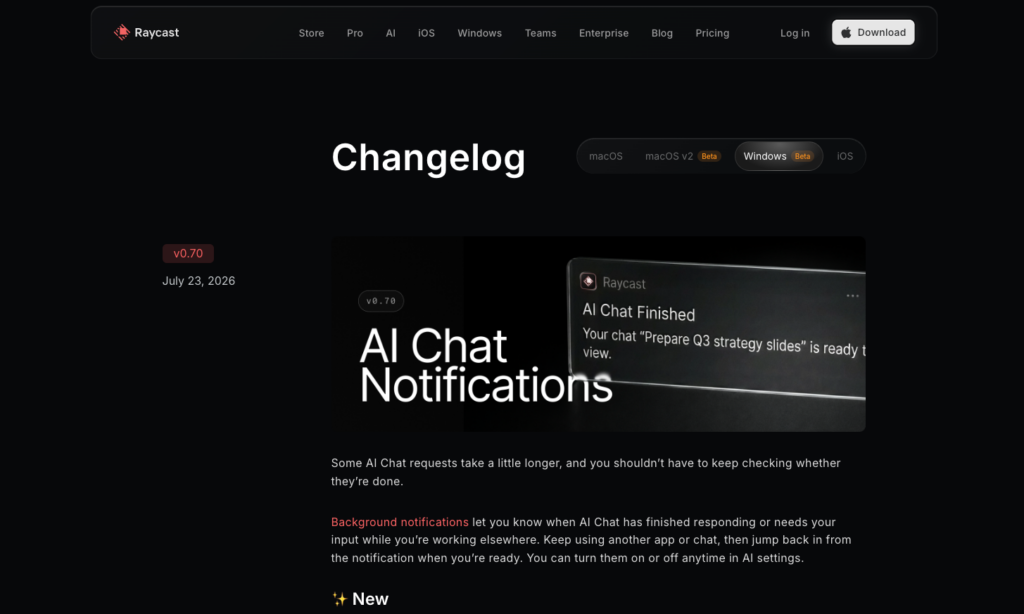
Developer patch notes, release notes, and changelogs are official records associated with a software release. The exact label varies by company and product.
GitHub describes a release as a way to package software together with release notes and links to downloadable files. Its automatically generated release notes can include merged pull requests, contributors, and a link to the full changelog. This illustrates an important distinction: release notes usually summarize user-relevant changes, while a complete changelog or development history may contain much more detail.
Precise Technical Data: Official notes may include version and build numbers, operating-system requirements, fixed bugs, new features, removed features, API changes, balance values, security updates, and known compatibility issues.
In games, an entry may state that an ability’s damage growth changed from one value to another. In other software, it may identify a deprecated function, a browser API change, a corrected installation problem, or a new configuration option.
Design Philosophy (Developer Commentary): Some developers explain the reason for a change rather than listing only the result. This can show whether an adjustment is intended to reduce an overperforming strategy, improve maintainability, fix confusing behavior, or prepare the product for a future feature.
Developer commentary is useful for understanding intent, but it is not a guarantee of the final effect. A change designed to improve balance can produce unexpected combinations once millions of users begin testing it under real conditions.
Limitations: Official notes may be long, spread across several pages, or divided between patch notes, hotfix logs, support notices, security advisories, and known-issues pages. They may also be edited after publication.
A patch note should therefore be treated as the official description of announced changes, not as a legal warranty that every deployed behavior is fully documented and error-free.
What Are Community-Written Update Summaries and How Do They Work?
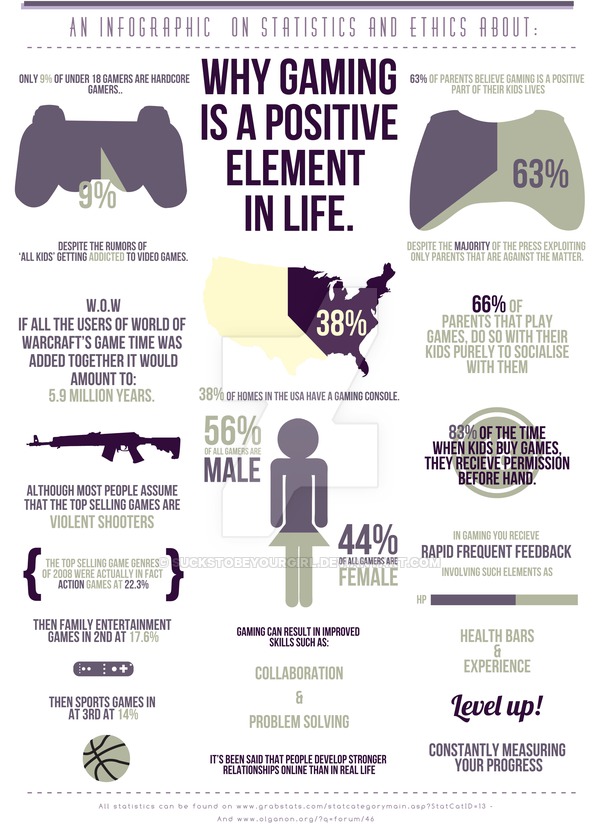
Community summaries may be written by experienced players, technology writers, streamers, wiki contributors, modders, administrators, or ordinary users. Their methods vary considerably.
How They Work: Some authors simply shorten the official notes. Others install the update, record performance, compare screenshots, test damage values, review public bug reports, or collect results from several users.
Datamining is only one possible method, and it should not be treated as a standard part of every summary. Examining or reverse-engineering game files may be restricted by a product’s terms of service. Epic Games’ current terms, for example, prohibit reverse engineering, decompiling, and disassembling licensed products except where applicable law provides otherwise.
Findings from game files can also be misleading. Unused assets, experimental values, internal names, and unfinished features may exist in a client without being active in the live product.
Key Highlights:
Visual & Practical: A community explanation may translate a numerical change into a real scenario. Rather than repeating that a weapon’s damage increased, the author may test whether the change affects the number of hits needed against a particular target.
Observed Results: Community members can identify frame-rate drops, crashes, interface problems, unusual interactions, or balance effects that were not apparent before release.
Claims About Undocumented Changes: Community testing can reveal a difference that is absent from the first version of the official notes. Such findings should be presented as observations until they are reproduced or confirmed.
Action-Oriented Advice: A summary may explain which settings need to be changed, which mods have stopped working, which characters are being used more often, or whether users should wait for a known problem to be fixed.
Comparing the Purpose and Target Audience of Both Update Documents
The two sources are most useful when their different limitations are recognized.
| Comparison Criteria | Developer Patch Notes | Community Summaries |
|---|---|---|
| Primary Purpose | Record announced changes, fixes, features, and developer intent | Condense the release and explain its practical effect |
| Accuracy | Authoritative for officially announced information, but still subject to omissions and corrections | Varies according to the author, evidence, testing conditions, and publication time |
| Skimmability | Varies from short lists to detailed technical documents | Usually organized around major changes and audience priorities |
| Ideal Audience | Users needing confirmed figures, administrators, developers, modders, support teams, and competitive players | Casual users, busy readers, strategy-focused players, and people seeking practical examples |
| Data Source | Development records, internal testing, release systems, and official support information | Official notes, personal testing, public reports, community discussion, and sometimes file analysis |
The phrase “clinical trials” should not be used for ordinary game testing. Clinical trials are controlled studies involving human health interventions. Community gameplay tests are better described as practical testing, controlled comparison, benchmarking, or repeated measurement.
Real-World Perspective: Impact of Updates on User Experience and Game “Meta”
A small change in a patch note can have a large practical effect because it interacts with other mechanics, user habits, hardware configurations, and strategies.
Shifts in the Metagame: In competitive games, the metagame refers broadly to the strategies, characters, builds, or patterns that become dominant among players. It should not be defined as the acronym “Most Effective Tactic Available.”
A minor cooldown reduction may allow an ability to be used during a previously impossible sequence. A small damage increase may cross an important threshold only when combined with a specific item. Community testing can expose these consequences faster than the official text alone.
However, early judgments about a new metagame are often unstable. Players may initially overuse a newly changed option, discover a counterstrategy later, or receive another adjustment through a hotfix. A summary published on release day should not be treated as a permanent tier list.
Unintended Bugs: Patch notes normally identify problems that developers intended to fix. They cannot reliably list every new defect before users encounter it. Separate known-issues pages are often more useful for crashes, broken features, incorrect displays, or temporary workarounds. Blizzard’s official support posts demonstrate how issue lists can be revised as investigations and hotfixes progress.
Which Update Source Should You Read in Specific Scenarios?
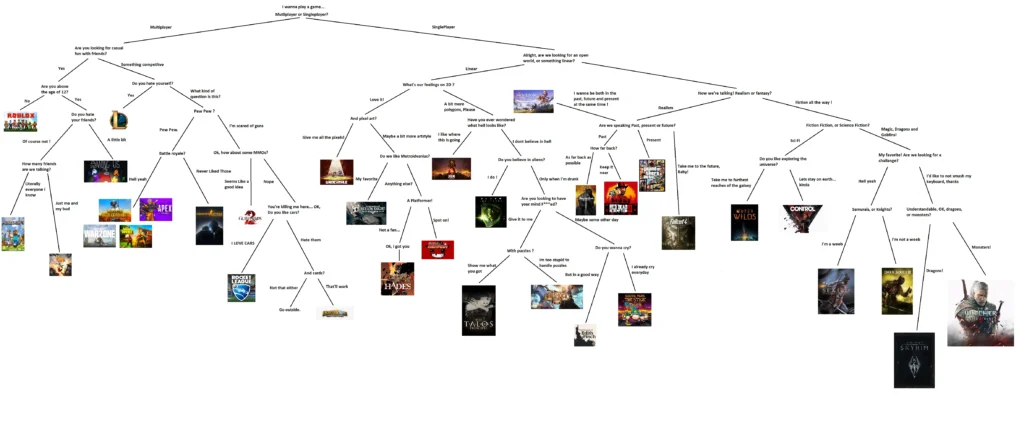
Rather than treating one source as universally better, use the document that matches the information you need.
Read Developer Patch Notes when:
You need the official version or build number.
You want the announced value of a balance adjustment.
You need to confirm whether a bug is listed as fixed.
You manage software compatibility, extensions, mods, or deployment.
You need the developer’s stated reason for a change.
Read Community Summaries when:
You need a fast overview of the most noticeable changes.
You want practical examples rather than isolated figures.
You are looking for early reports of crashes, performance problems, or unexpected interactions.
You want to see how experienced users are adapting their strategies or settings.
You should still examine the author’s evidence. A video showing a repeatable test is more useful than an unsourced claim copied across several forums.
Optimal 2-Step Strategy:
Step 1: Begin with the official patch notes. Confirm the version, release date, supported platforms, announced changes, and links to known issues or hotfixes.
Step 2: Read a recent community summary for practical context. Return to the official notes whenever the summary makes a numerical claim, reports an undocumented change, or attributes a specific intention to the developer.
Also verify that both sources refer to the same build. PC, console, mobile, regional, test-server, and live-server versions may receive changes at different times.
Developer patch notes and community-written summaries are complementary rather than interchangeable. Official notes provide the primary record of announced changes and developer intent. Community summaries can make those changes easier to follow and reveal practical effects that become visible only after release.
Neither source should be accepted without context. Official notes may be incomplete or corrected, while community explanations may rely on limited testing, early impressions, or inaccurate interpretations.
For the clearest picture, confirm the version and exact changes through official documentation first. Then use a well-supported community analysis to learn how the update affects performance, compatibility, gameplay, and current strategies. This method is faster and more reliable than depending entirely on either source.